Sydney’s plumbing systems work hard. Between the city’s ageing infrastructure, coastal weather patterns, and everything from Federation-era cottages to high-rise apartments, there’s no shortage of ways things can go wrong, often at the worst possible time.
If you’re dealing with a plumbing emergency right now, this guide will walk you through what to do immediately, how to find a licensed emergency plumber in Sydney, and what the process looks like from callout to repair.
If you need a plumber straight away, you can search Sydney emergency plumbers on Urgent Plumbers.
What Counts as a Plumbing Emergency?
Not every plumbing problem needs an after-hours callout, and knowing the difference can save you hundreds of dollars in emergency fees. Here’s how to tell:
It’s an emergency if:
- A pipe has burst and water is flowing into your home
- Sewage is backing up through drains, toilets, or floor wastes
- You’ve lost all water supply to the property
- Your hot water system is leaking heavily or showing signs of failure (bulging, hissing, or pooling water)
- You suspect a gas leak. Leave the property immediately, call your gas provider, and then call a plumber
It can wait until morning if:
- A single tap is dripping
- A toilet is running but still usable
- A drain is slow but still flowing
- There’s a minor leak you can contain with a bucket or towel
When in doubt, call a plumber and describe the situation. Most will tell you honestly whether it needs immediate attention or can wait.
What to Do Right Now: Emergency Steps
If water is actively flowing where it shouldn’t be, act fast. Every minute counts when it comes to limiting water damage.
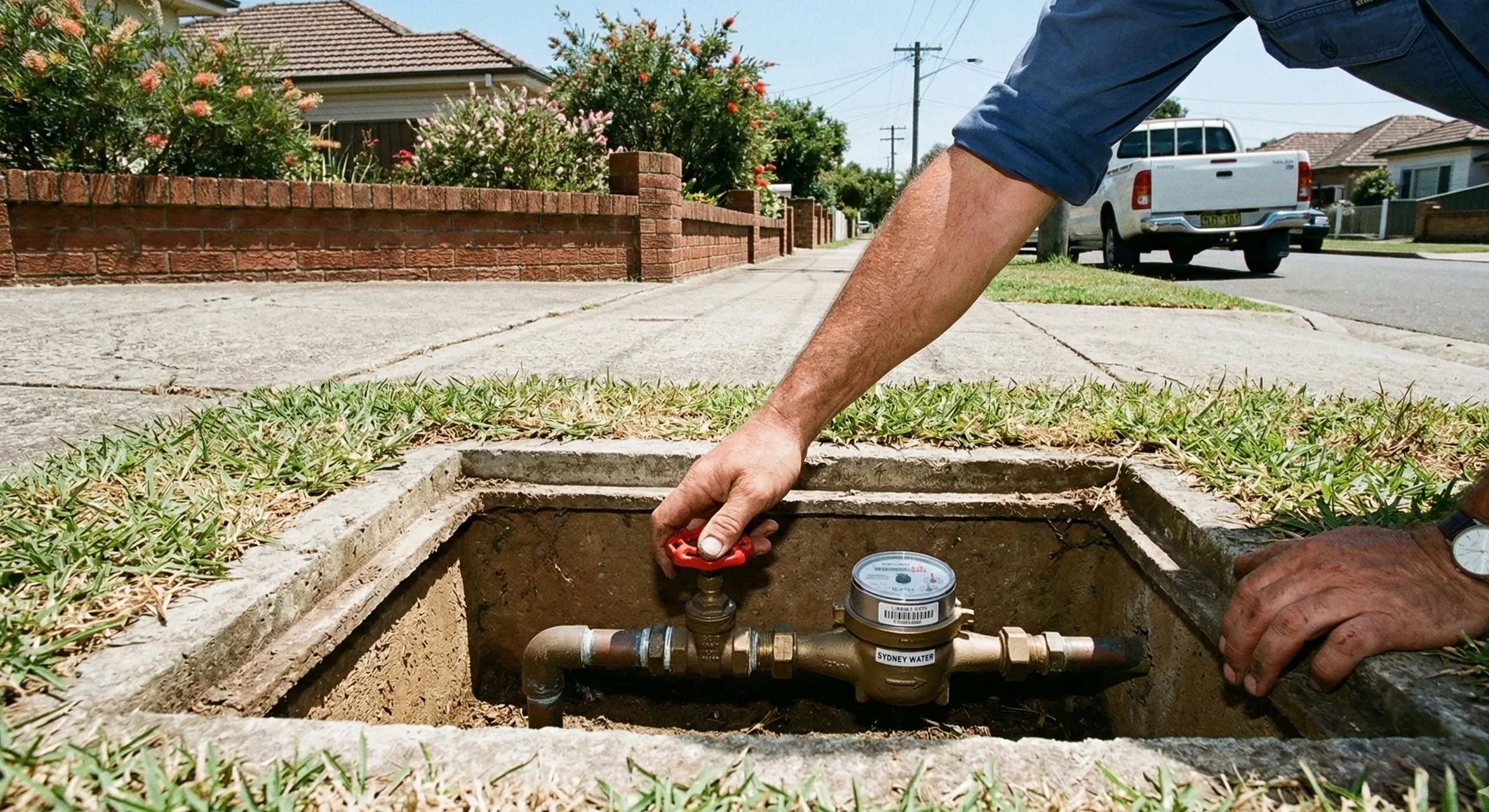
Turn off the water. Your main shut-off valve is typically near the water meter, which in most Sydney properties is located at the front of the property near the footpath. It might be in a small covered pit. Turn the valve clockwise until it stops. If you’re in a unit or apartment, you may have an isolation valve inside your laundry or under the kitchen sink. Check with your strata manager if you’re unsure.
Turn off the electricity if water is anywhere near electrical outlets, your switchboard, or appliances. Don’t touch electrical fittings while standing in water.
Contain the damage. Mop up standing water, move furniture and valuables out of the affected area, and lay down towels around the source of the leak. Open windows to help with ventilation.
Document everything. Take photos and videos of the damage before you start cleaning. Your insurer will want to see the extent of the problem, and it’s easy to forget once the adrenaline subsides. For a detailed step-by-step walkthrough, see our burst pipe emergency guide.
Plumbing Challenges Specific to Sydney
Sydney’s geography and housing stock create some distinctive plumbing challenges that are worth understanding.
Inner West and Eastern Suburbs. Older homes in suburbs like Newtown, Marrickville, Leichhardt, and Randwick often have original clay or cast iron drainage pipes. These are prone to cracking, root intrusion, and collapse. If you own a terrace or a Federation cottage, blocked drains are an ongoing risk, particularly if there are large fig trees or other mature vegetation nearby.
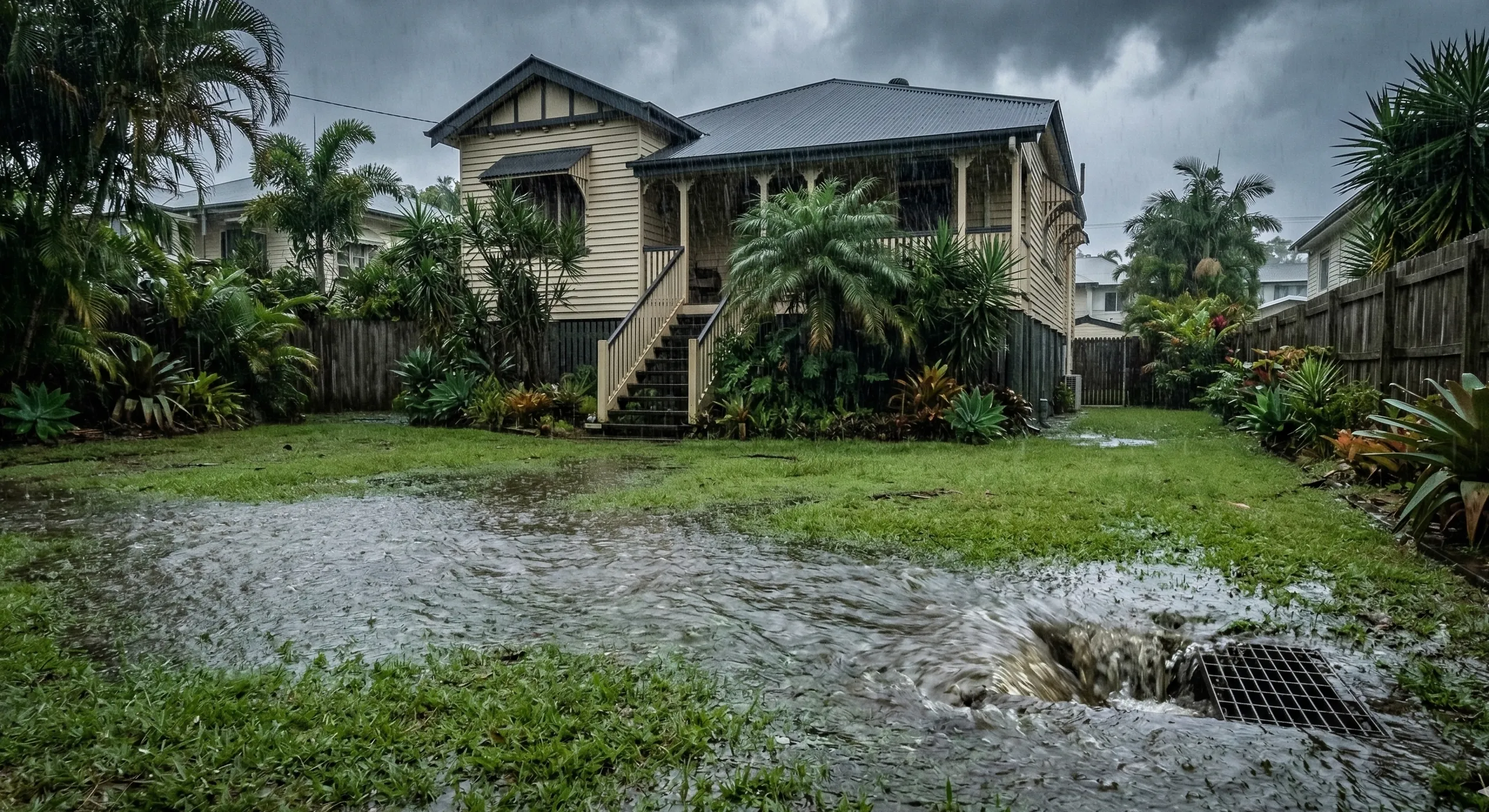
Northern Beaches and North Shore. Properties in areas like Dee Why, Manly, and Chatswood can experience issues related to steep terrain and stormwater management. Heavy rain events can overwhelm drainage systems quickly, and hillside properties may deal with water runoff causing erosion around buried pipes.
Western Sydney. Suburbs like Parramatta, Blacktown, and Penrith see extreme summer heat, which can cause thermal expansion in exposed pipes and accelerate wear on hot water systems. Newer developments in the growth corridors can also experience issues with ground settling affecting pipe alignment.
Apartments and units. Sydney has a massive apartment stock, and plumbing emergencies in units can affect multiple residents. Burst pipes in common areas, blocked shared stacks, and hot water system failures in centralised systems all require coordination with strata management. Know your strata’s emergency plumber contact, as some buildings have preferred contractors.
How to Find a Reliable Emergency Plumber in Sydney
In an emergency, you need someone fast, but you also need someone competent and licensed. Cutting corners on this can lead to poor repairs, additional damage, and costly follow-up work.
Check their licence. In New South Wales, plumbers must hold a licence issued by NSW Fair Trading. You can verify a plumber’s licence on the NSW Fair Trading website. Never hire an unlicensed tradesperson, regardless of the hour or urgency.
Look for 24/7 availability. A genuine emergency plumber operates outside standard business hours, including nights, weekends, and public holidays. Confirm this when you call, as some businesses advertise emergency services but only take messages after hours.
Ask about callout fees upfront. Most emergency plumbers charge a callout fee on top of their hourly rate, and after-hours rates are higher than standard. A reputable plumber will be transparent about this before they arrive. For a full breakdown of typical costs, see our emergency plumber cost guide.
Prioritise local plumbers. A plumber based in your part of Sydney will reach you faster than someone travelling from the other side of the city. Response time matters when water is flowing.
You can find licensed emergency plumbers across Sydney, filtered by suburb and availability, on the Urgent Plumbers Sydney listings.
What to Expect During an Emergency Callout
Understanding the process helps set expectations, especially if you’ve never called an emergency plumber before.
The phone call. When you ring, the plumber (or their dispatcher) will ask what’s happening, whether you’ve been able to shut off the water, and your address. Be as specific as you can. “Water is pouring from the ceiling in the bathroom” is more useful than “there’s a leak.”
Response time. In metro Sydney, most emergency plumbers aim for a 30 to 90 minute response time, depending on your location, traffic, and how busy they are. During major storm events, wait times can be longer as demand spikes across the city.
Assessment and quote. A professional plumber will inspect the problem and explain what’s going on before starting any work. They should give you a clear quote or estimate, including any after-hours surcharges. You’re within your rights to ask for this in writing.
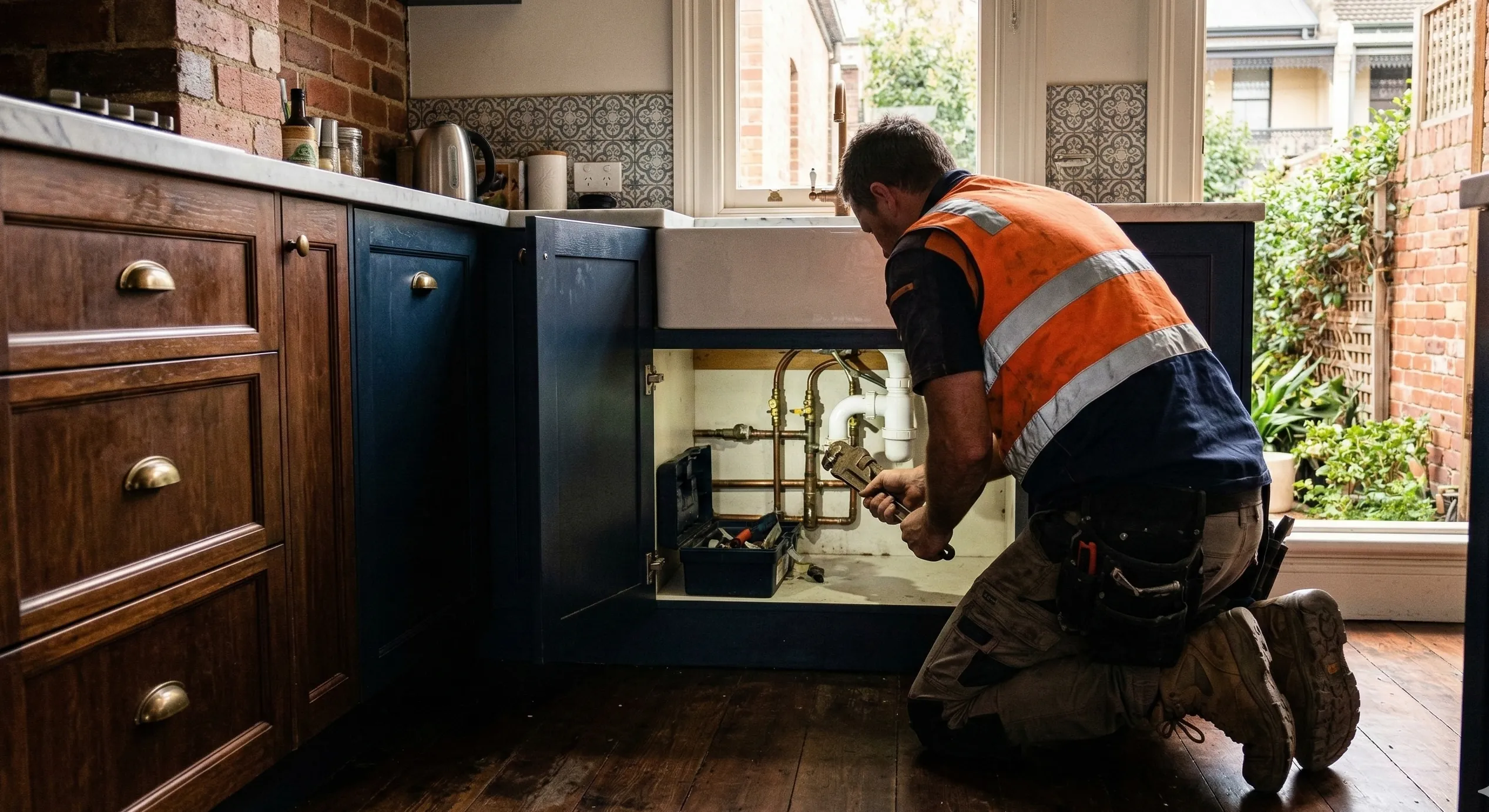
Emergency repair vs permanent fix. In many cases, the plumber’s first job is to make the situation safe: stop the leak, clear the blockage, or isolate the problem. A permanent repair might be scheduled for a follow-up visit during business hours, especially if it involves replacing sections of pipe, parts that need ordering, or work that requires council approval.
Preventing Future Plumbing Emergencies
You can’t prevent every emergency, but you can reduce the odds significantly with some basic maintenance and awareness.
Know your shut-off valves. Find them now, label them if needed, and make sure every adult in your household knows where they are and how to operate them.
Get a plumbing inspection. If your home is over 20 years old, a CCTV drain inspection can identify cracked, blocked, or deteriorating pipes before they fail catastrophically. This is particularly valuable for older Sydney homes with original clay drainage.
Service your hot water system. Most manufacturers recommend annual servicing. Replacing a sacrificial anode every few years can extend the life of a storage tank system significantly.
Watch for warning signs. Slow drains, discoloured water, damp patches on walls or ceilings, unexplained increases in your water bill, and low water pressure are all signs that something may be developing. Addressing these early is far cheaper than dealing with the emergency that follows.
Don’t put the wrong things down your drains. Grease, food scraps, wet wipes (even “flushable” ones), sanitary products, and hair are the most common causes of blocked drains in Sydney homes. A simple drain screen in your shower and kitchen sink can make a real difference.
Find an Emergency Plumber Near You
A plumbing emergency is stressful, but it’s manageable when you know what to do and who to call. Whether you’re in the Inner West, on the Northern Beaches, or out in Western Sydney, help is available around the clock.