Melbourne is famous for four seasons in one day, and that unpredictable weather plays havoc with plumbing systems across the city. Whether you’re dealing with a burst pipe in a Brunswick terrace, a blocked drain in a Bayside home, or a hot water system failure in the outer suburbs, a plumbing emergency demands quick thinking and the right help.
This guide walks you through how to respond when disaster hits, what to do while you wait for a plumber, and how to find a trustworthy emergency plumber in Melbourne at any hour.
If you need help right now, you can search Melbourne emergency plumbers on Urgent Plumbers.
Melbourne’s Most Common Plumbing Emergencies
Melbourne’s housing stock is incredibly diverse, from Victorian-era weatherboards in the inner suburbs to modern townhouses in the growth corridors, and each comes with its own plumbing vulnerabilities.
Burst and leaking pipes. Melbourne’s temperature swings are hard on pipes. A winter morning in suburbs like Eltham, Warrandyte, or the Dandenong Ranges can dip close to zero, and sudden drops put stress on older copper and galvanised steel pipes. Even in milder areas, pipe joints weaken over time and corrosion takes its toll. If you’re dealing with a burst pipe right now, our burst pipe emergency guide covers exactly what to do in the first 10 minutes.
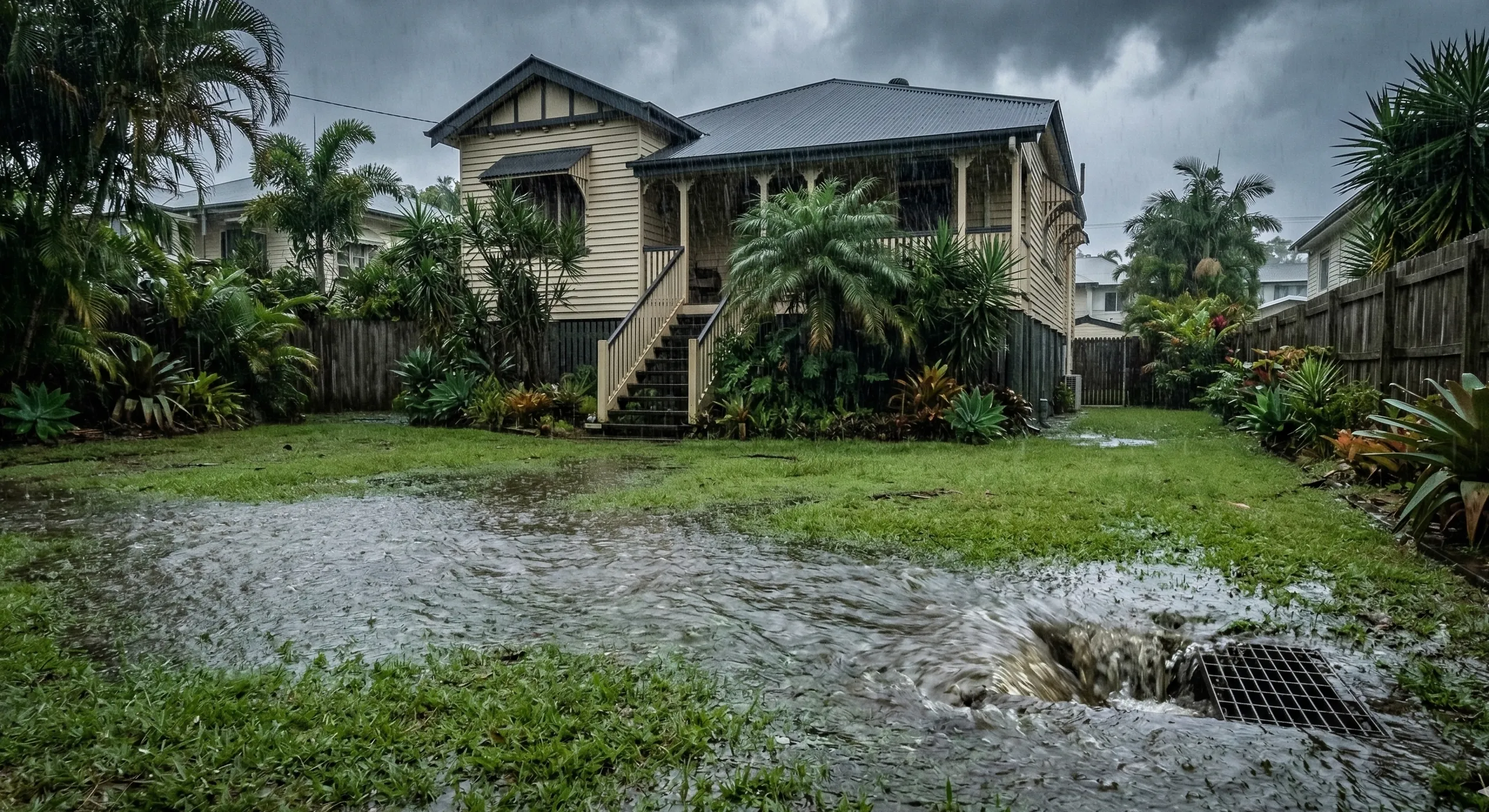
Blocked drains and sewer backups. Tree root intrusion is one of the biggest causes of blocked drains across Melbourne. The city’s established suburbs (think Hawthorn, Kew, Malvern, and Northcote) have mature trees with extensive root systems that seek out cracks in clay drainage pipes. Melbourne’s periodic heavy downpours also overwhelm stormwater systems, particularly in areas with older infrastructure.
Hot water system failures. If your hot water system is more than 10 years old, it’s on borrowed time. Storage tank systems are the most common type in Melbourne homes, and failures typically come without warning: a puddle forming beneath the tank, lukewarm water, or no hot water at all. Gas continuous flow systems can also develop faults, particularly with ignition components.
Gas leaks. Melbourne is heavily reliant on natural gas for heating and hot water. If you smell gas (a distinctive rotten egg odour), this is a serious emergency. Leave the property immediately, don’t operate any electrical switches, and call your gas distributor’s emergency line before contacting a licensed gasfitter or plumber.
What to Do in the First 10 Minutes
The actions you take in the first few minutes of a plumbing emergency can make a significant difference to the final repair bill and the extent of any water damage.
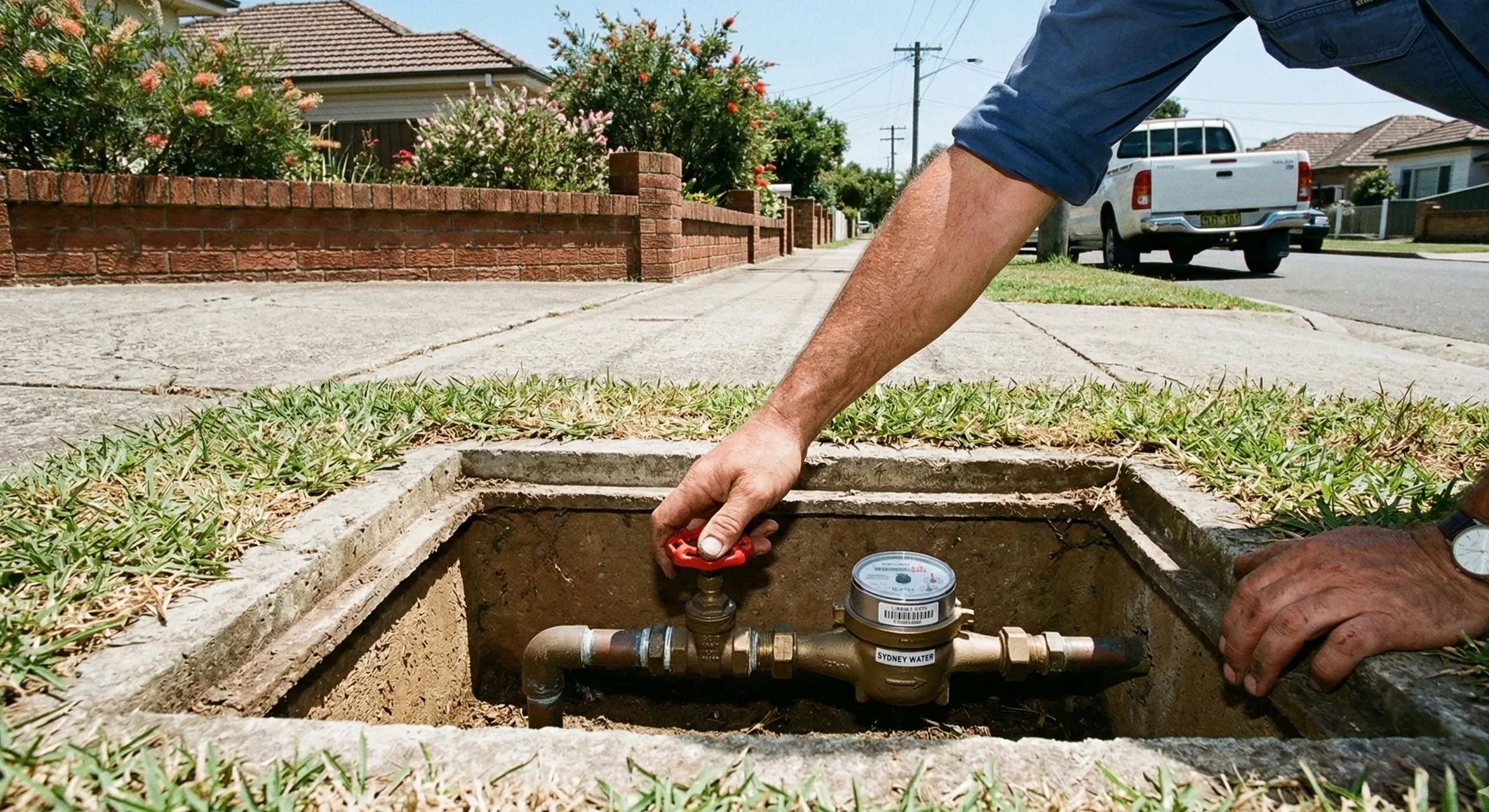
Shut off the water supply. Your main shut-off valve is usually near the water meter at the front of the property, often in a covered pit near the footpath. Turn it clockwise to close it. In apartments, isolation valves may be located in your laundry, under the kitchen sink, or in a service cupboard. Check with your body corporate if you’re not sure.
Turn off your electricity if water is near power outlets, the switchboard, or any appliances. Water and electricity are a dangerous combination. If your switchboard is in a wet area, call your electricity distributor before attempting to access it.
Stop the immediate flow. If the leak is coming from a specific fixture (a toilet, tap, or appliance connection) look for the small isolation valve, usually a tap or lever on the wall behind the fixture, and turn it off. This can stop the water without shutting off supply to the whole house.
Protect your belongings. Move furniture, rugs, electronics, and valuables away from the water. Lay towels around the source to absorb what you can. If water is coming through the ceiling, place buckets underneath and consider making a small hole in the plasterboard to let water drain in a controlled way rather than spreading and causing the ceiling to collapse.
Document the damage. Before you start mopping up, take photos and video of everything: the source of the leak, any water damage to walls, floors, ceilings, and belongings. This documentation is important for insurance claims.
How to Find a Licensed Emergency Plumber in Melbourne
When you’re under pressure, it’s tempting to call the first plumber who shows up in a Google search. Taking an extra minute to check a few things will save you headaches later.
Verify their licence. In Victoria, plumbers must be registered with the Victorian Building Authority (VBA). You can check a plumber’s registration online at the VBA website. Unlicensed plumbing work can be dangerous and may void your insurance.
Confirm 24/7 availability. Some plumbers advertise emergency services but only operate during extended hours (say, 7am to 10pm). If it’s 3am, make sure the plumber you’re calling genuinely offers around-the-clock service.
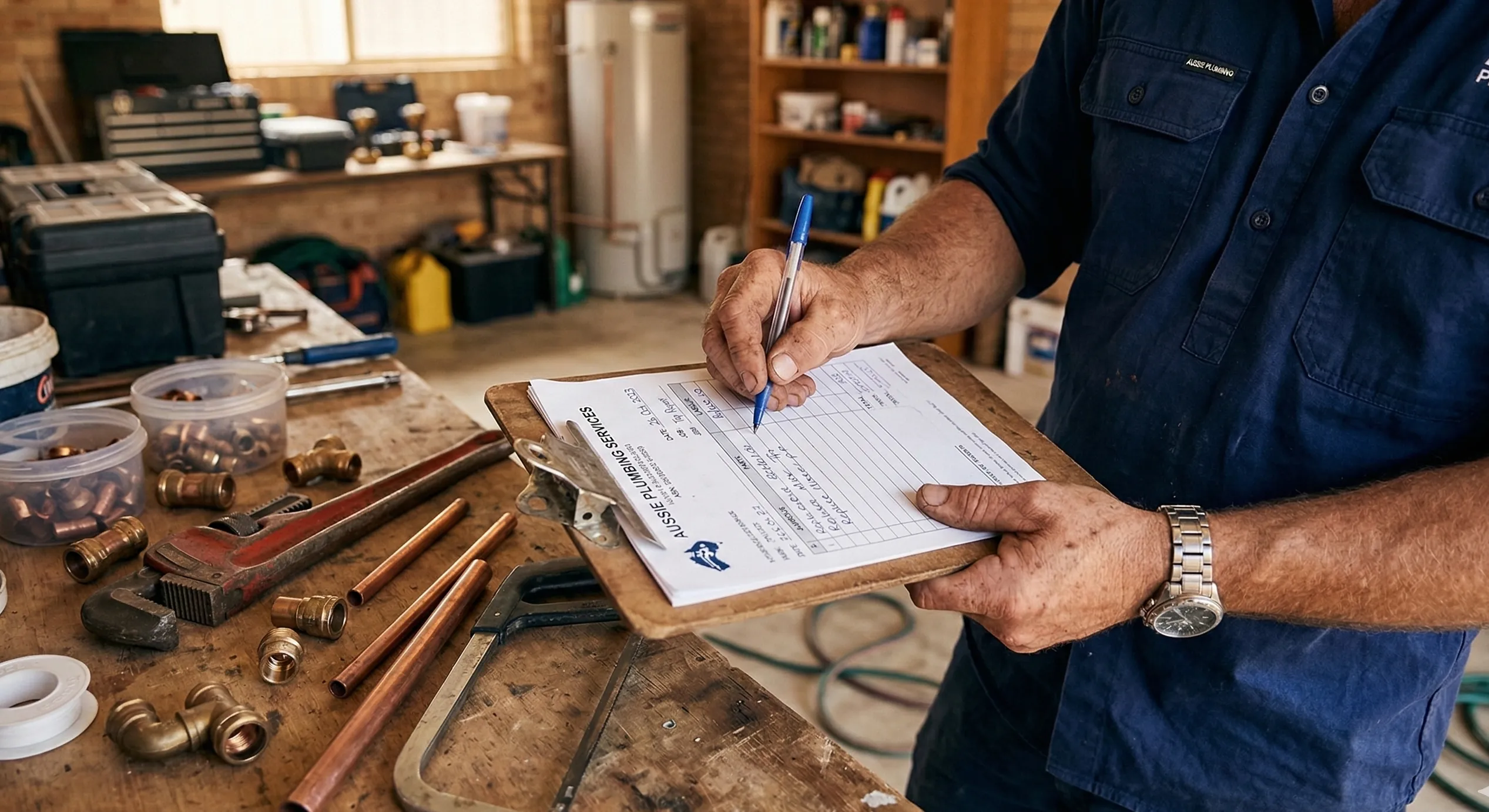
Ask about pricing upfront. Emergency callout fees and after-hours rates vary, but a reputable plumber will be transparent about their charges before they arrive. You should expect a callout fee plus an hourly rate, with after-hours and weekend rates being higher than standard. For a full breakdown of what to expect, see our emergency plumber cost guide.
Choose someone local. Melbourne traffic can be unpredictable at any hour. A plumber based in your area will get to you faster. If you’re in the eastern suburbs, you don’t want someone travelling from Werribee.
Browse verified emergency plumbers across Melbourne’s suburbs on the Urgent Plumbers Melbourne page.
What to Expect During an Emergency Callout
If you haven’t dealt with an emergency plumber before, here’s how the process typically works.
When you call, the plumber or their dispatcher will ask about the nature of the problem, whether you’ve managed to shut off the water, and your location. Try to be specific about what’s happening. “Water is coming through the kitchen ceiling” gives them more to work with than “there’s a leak.”
Response times in metropolitan Melbourne typically range from 30 to 90 minutes, though this can vary depending on your location, the time of night, and overall demand. During major weather events, expect longer waits as plumbers across the city deal with increased callouts.
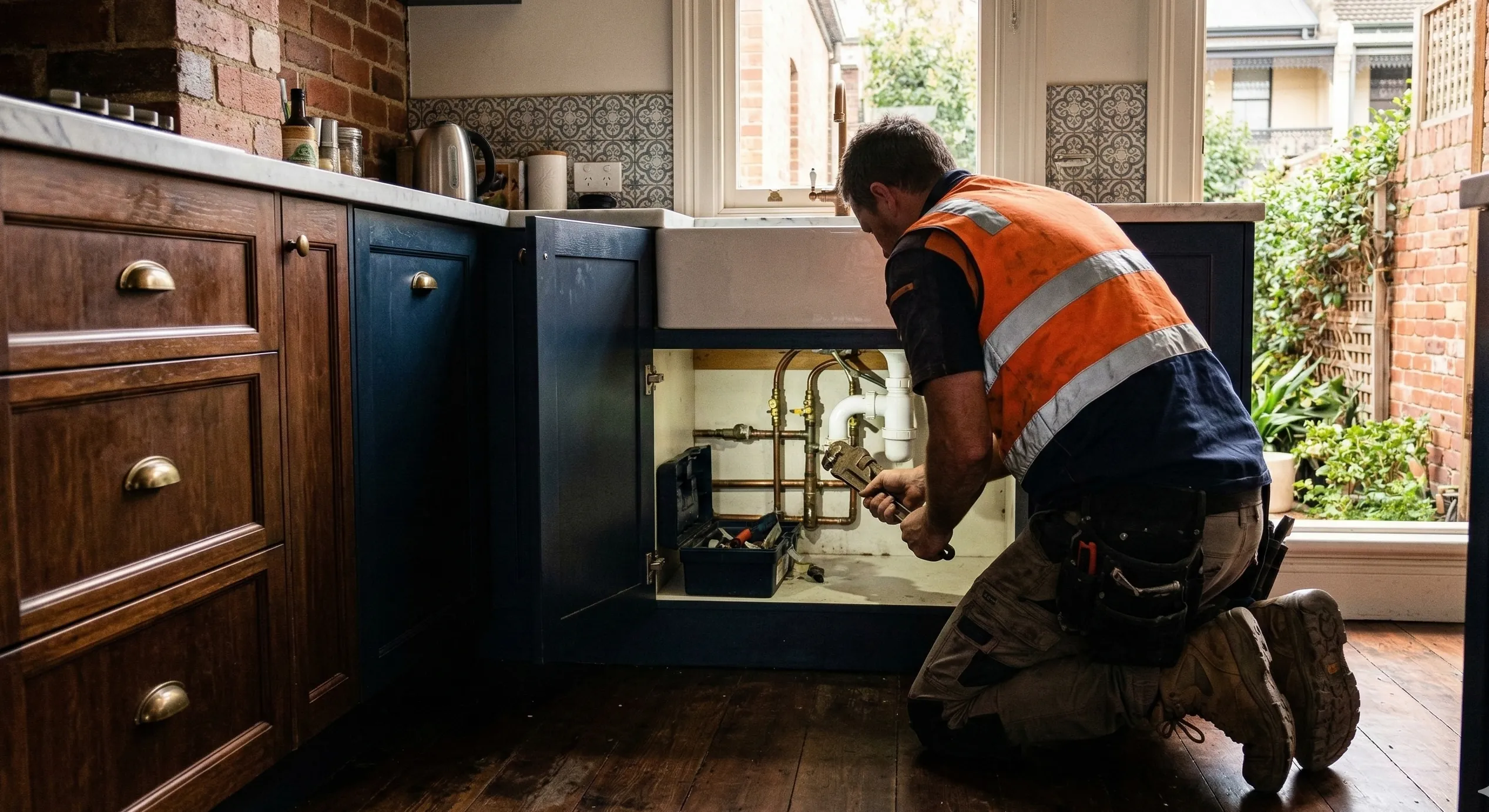
When the plumber arrives, they’ll assess the situation and explain what needs to happen. A professional will always give you a clear quote or estimate before starting work. The immediate goal is usually to make things safe: stop the water, clear the blockage, or isolate the problem. More extensive repairs may be scheduled as a follow-up during regular hours.
Emergency Plumbing in Melbourne Apartments
If you live in an apartment or unit, plumbing emergencies have an extra layer of complexity. Water damage in one unit can quickly affect your neighbours, and some plumbing issues may involve shared infrastructure.
Know your strata’s emergency contacts. Many body corporates have a preferred emergency plumber on retainer. Check your strata noticeboard or contact your building manager.
Understand what’s your responsibility. Generally, plumbing within your unit’s walls is your responsibility, while shared pipes, stacks, and common area plumbing fall under the body corporate. If you’re unsure, call a plumber to make things safe first and sort out responsibility later.
Notify your neighbours. If water is leaking into the unit below you (or from the unit above), let them know as soon as possible so they can protect their belongings.
Preventing Plumbing Emergencies in Melbourne
Melbourne’s variable climate means plumbing systems face constant stress, but regular maintenance can prevent most emergencies.
Insulate exposed pipes in unheated areas like garages, subfloors, and laundries, particularly if you’re in the outer east, the Ranges, or any area prone to frosty mornings.
Have your drains inspected. A CCTV drain inspection every few years can catch tree root intrusion, pipe cracks, and blockages before they cause a full failure. This is especially important for homes in established suburbs with mature trees.
Service your hot water system annually. Checking the anode, thermostat, and pressure relief valve extends the life of your system and reduces the chance of a sudden failure.
Know where your shut-off valves are. This is the single most important piece of preparation. Find them, label them, and make sure everyone in your household knows how to use them.
Find an Emergency Plumber Near You
A plumbing emergency is disruptive, but it doesn’t have to be a disaster. Knowing what to do in the first few minutes and having a reliable plumber you can call makes all the difference.